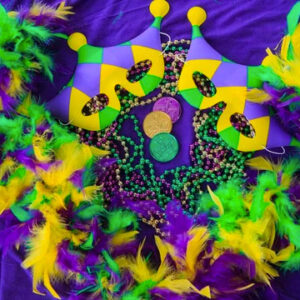


During Mardi Gras, the Greater New Orleans Area—and really most of Louisiana—feels like a one-of-a-kind place!
In fact, we have a phrase to describe this feeling: “Everywhere else it’s just Tuesday.”
The traditions of Louisiana during our weeks-long Carnival season are definitely special. Other places in the world have their version of king cake, for example, but we’re the only place that enjoys it as a Mardi Gras—rather than a Christmas season—treat.
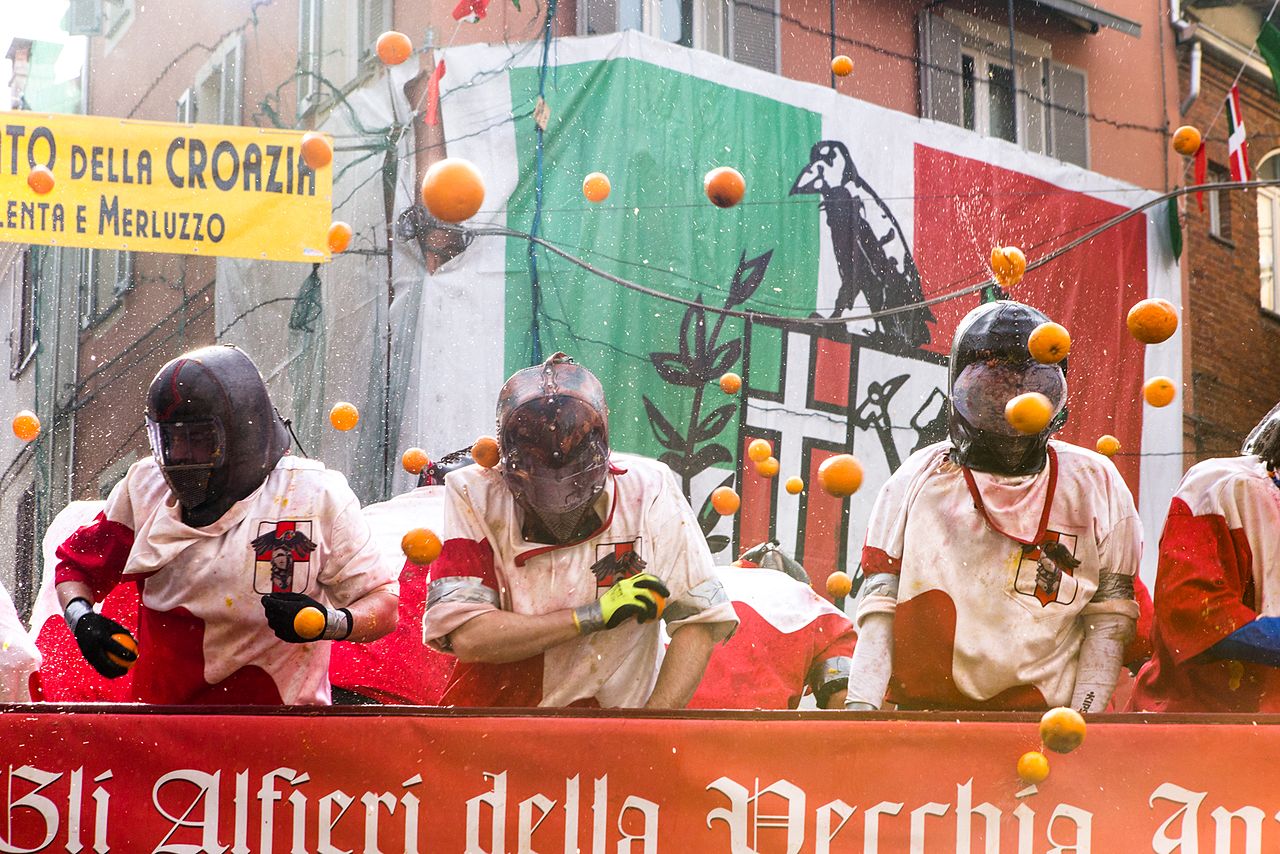
But the truth is that, while we are cheering on our parades and screaming for beads, millions of people around the globe are also celebrating. Some parade in colorful costumes, while some stuff their faces with stacks of pancakes and butter. Some wear elaborate masks at secret soirées, while others heave citrus fruit at one another in the streets.
These parties have the same origin as our own. And, just like ours, the festivities often last longer than a single day. We aren’t only celebrating Fat Tuesday, we’re celebrating Carnival—a festival that can be traced back thousands of years ago and an ocean away.
Pre-Christian roots
Many of the ancient world’s most important holidays were centered around the fear and uncertainty of a long winter and/or the promise of springtime. The Babylonians celebrated their Sacaea, a five-day festival announcing the arrival of spring. The Romans commemorated the Winter Solstice—the longest night of the year—with their Saturnalia, and the Athenians marked the end of winter with their Dionysian festivals.
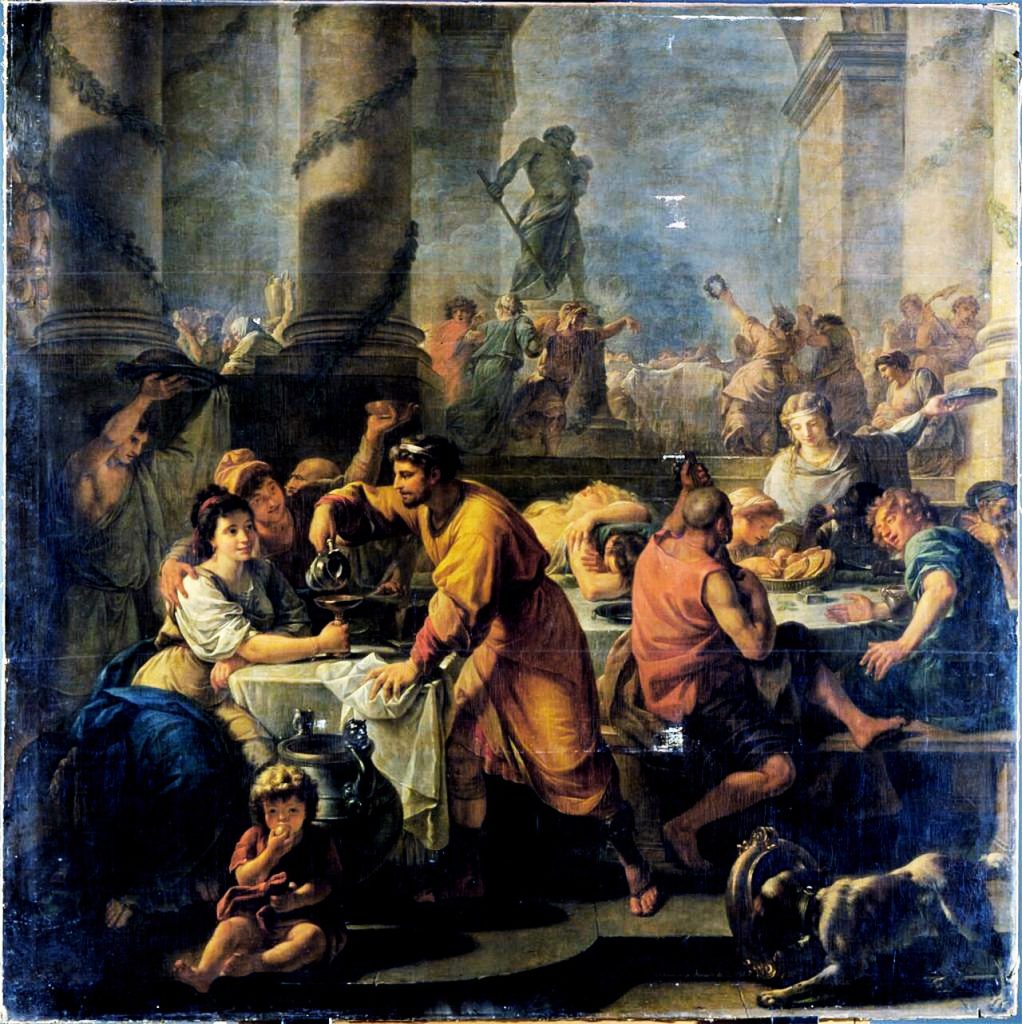
Historians believe one purpose of these celebrations was to raise morale during the annual calendar’s most challenging and dangerous period, when the days were short, the temperatures were low, and food was scarce.
A hallmark of these festivities that would have certainly raised the collective spirit was the temporary disposal of class roles. During Sacaea, for example, the Babylonians encouraged masters and slaves to reverse roles through the outfits they wore. Meanwhile, the Roman Saturnalia featured a cake with a bean hidden inside. Find the bean—even if you are a peasant or child—and you are crowned king of the Saturnalia. (We continue these customs today during our Carnival by pretending to be peasants begging for coins, beads, and food thrown by faux royalty on floats, and through our king cake.)
Another feature of these ancient precursors to Carnival was the encouragement of gluttony, both through heavy drinking and through an excess of food. (It’s not called “Slim Tuesday,” after all.)
In fact, in the Northern Hemisphere, long before Christianity, the period we now call Lent was almost always one of food scarcity. In late winter and early spring, the meat you saved for winter was running low or threatening to spoil, and the crops you planted for the incoming warmer weather hadn’t yet produced food.
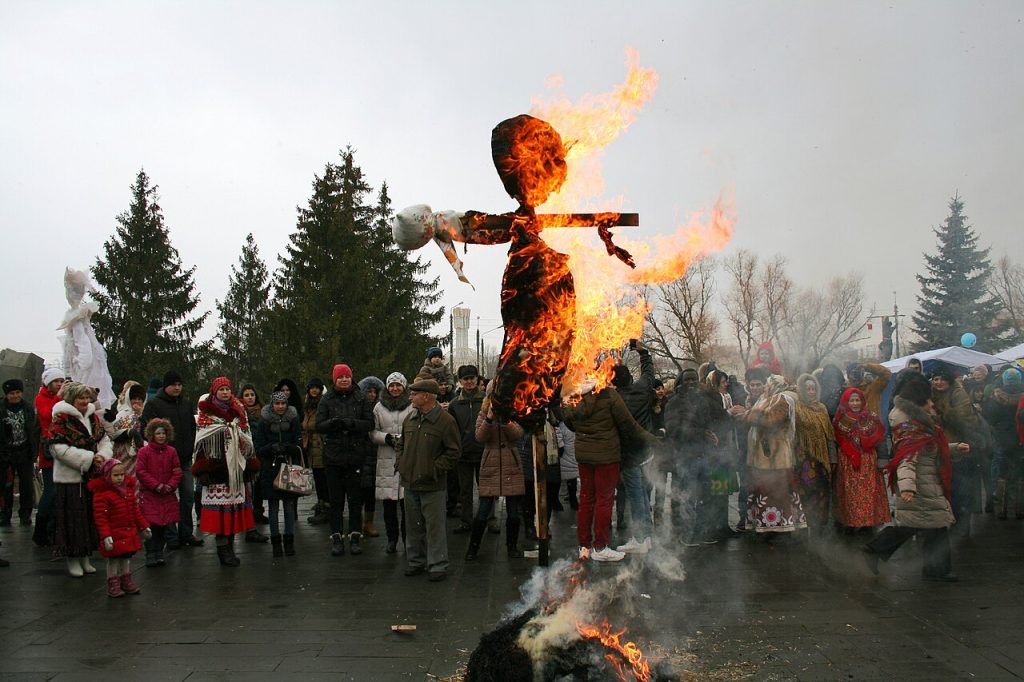
So, in February or early March, a feast before that scarcity—what we now call Carnival season and Mardi Gras—was one last chance to put on a few pounds and raise morale before the long season of forced fasting.
Eat your cow or wait?
In more recent millenia, Christianity has become the dominant belief system in much of the world. Hoping to convert pre-Christian pagans to their growing religion, Church leaders opted to absorb—rather than abolish—the customs of these earlier societies.
Many of the traditions of the Roman Saturnalia, for example, are still present in the Christmas season. Similarly, the traditions of Carnival are believed to be remnants of both Saturnalia and another Roman festival, Lupercalia, a pagan fertility festival in February marked by feasting and revelry that commemorated the transition from winter to spring.
Of course, pagan or Christian, the primary problem facing societies in the Northern Hemisphere during this time of year was identical: food was about to become dangerously scarce.
Today, the 40-day Lenten period is said to mirror Jesus’ 40 days in the wilderness. Christians are asked to remember Christ’s sacrifice and prepare for his resurrection by repenting for their sins.
Just as modern Christians are asked to show self-discipline by giving up certain pleasures during Lent, earlier followers of the religion were asked to give up meat.
The reason was likely a matter of life or death.
Imagine it is March and your children are hungry. Your Winter harvest is dwindling and it will be weeks until the Earth once again bears fruit. You do have a cow, though it is not yet mature.
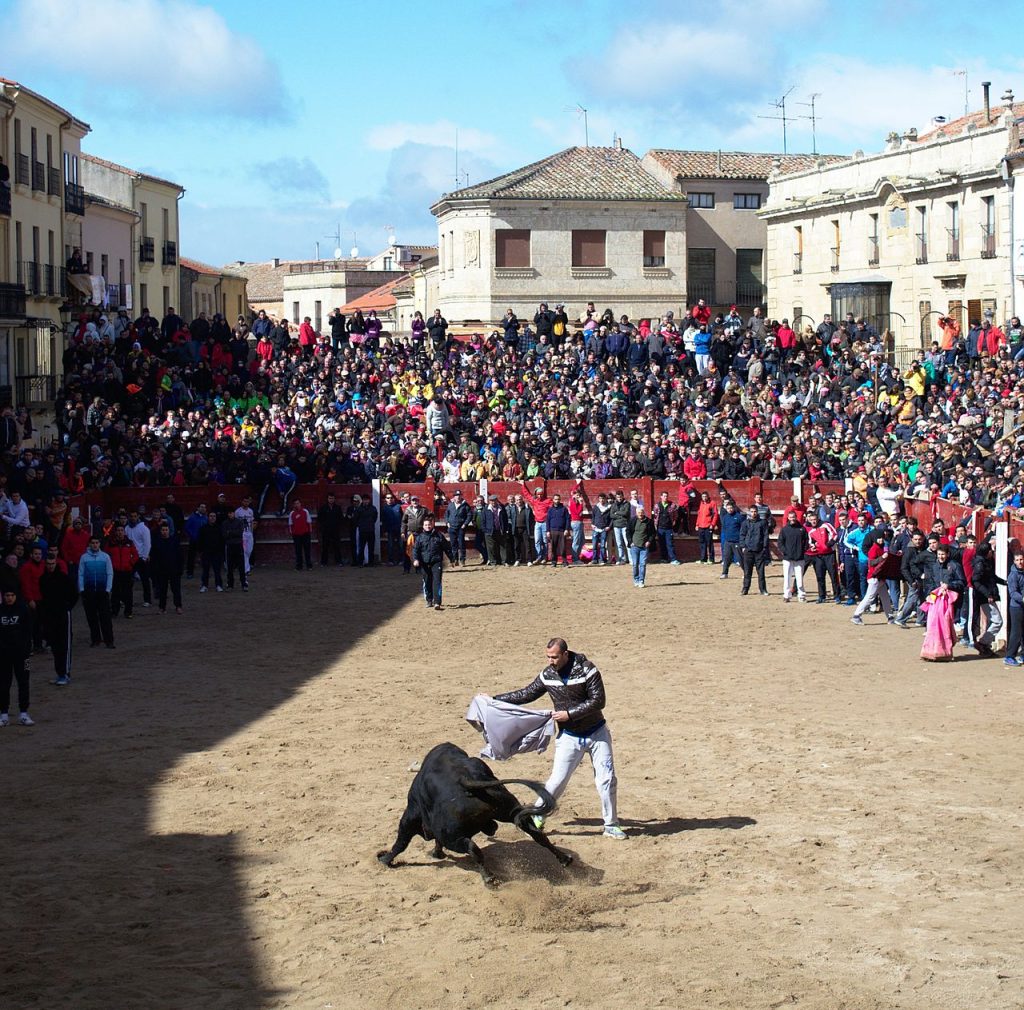
You might be tempted to slaughter said cow, providing relief for your children—an understandable choice. The Church, however, is worried about the long-term well-being of the town. If that cow is allowed to mature, it can reproduce to provide future milk and meat for many mouths.
Christianity and its many rules were a tool to keep the town working toward a common goal instead of selfish ends. The abstinence of Lent was a tool for survival. And so was Carnival.
In fact, the term comes from carnavale—Italian for “goodbye to meat.”
See ya later, meat!
But it wasn’t just meat, it was also products that came from animals. This explains why Carnival celebrations around the world include one last chance to indulge in products featuring butter and eggs.
The British and Irish eat pancakes with lemon and sugar while the Italians eat sweet dough balls called castagnole or deep fried cookies called cenci. The Polish have pączki, the French have beignets and the Germans have fastnacht—all members of the doughnut family. (In the case of fastnacht, most are filled with jelly, though some are stuffed with mustard as a cheeky pre-Lenten prank.)
In Iceland, the day is called Sprengidagur, or “Bursting Day,” and in eastern Slavic countries like Russia, Ukraine, and Belarus, their Maslenitsa festival is often referred to as Butter Week or Cheesefare Week. Outside of the western hemisphere, for example, even Christians in India spend the day before Lent eating colorful, coconut-filled crepes known as Alle Belle, Goan Pancakes, or Madakasan depending on the region.
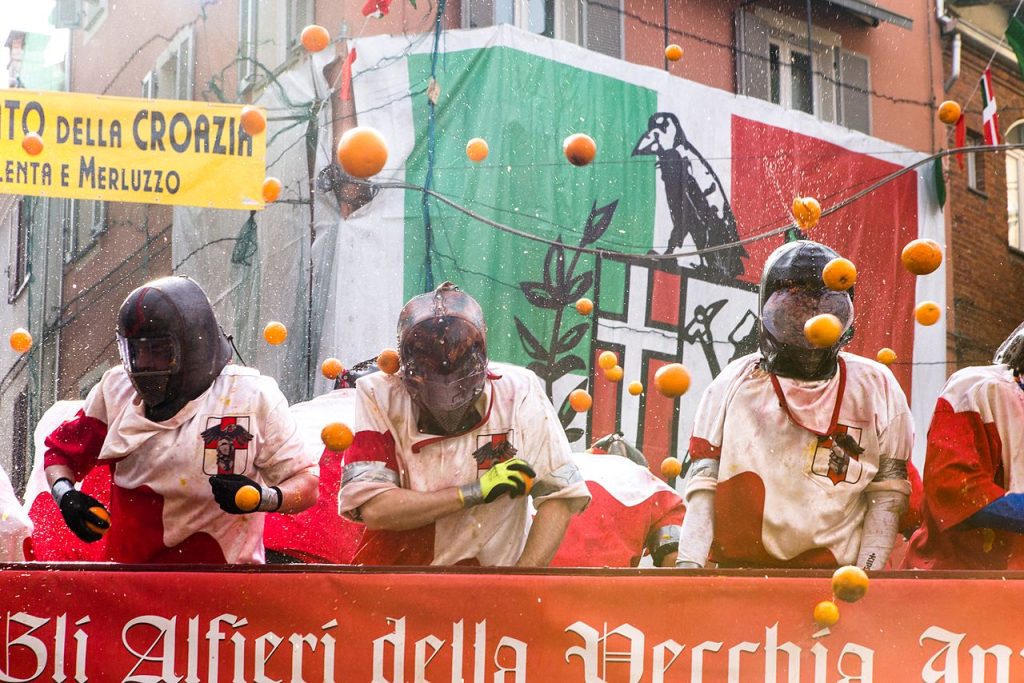
All of these food customs come from the same tradition: people around the world get their fill of the things they can’t eat in the coming weeks, whether that be because their religion or their environment simply doesn’t provide it for a time.
In the New Orleans area, we feast on king cake (order your Joe Gambino’s king cake here!), fried chicken, and other decadent treats before dutifully reporting to church on Ash Wednesday. We dress in colorful costumes. We dance. We sing. We drink far too much.
The way we celebrate is unique, but we are not alone in celebrating.
In our next blog post, we will show you some of those other celebrations around the world! Some seem similar to ours, while others will appear bizarre and unrecognizable. Either way, now you know, they all come from the same origin!